Recurrence — a pterygium growing back after it has been removed — is the principal complication of pterygium surgery, and it is not rare. This is why the choice of surgical technique and of surgeon matter so much: the goal is not merely to remove the tissue, but to reconstruct the surface of the eye so that the chance of it returning is as low as possible.
Why a pterygium recurs
A pterygium is not simply “excess tissue” that can be trimmed away and forgotten. It is active tissue, and cells with the potential to grow again remain in the area. When the stimulus that created the pterygium in the first place continues — UV exposure, wind, dust and dryness — the process can restart. This is why sun protection after surgery is not a minor suggestion but part of the treatment itself.
What raises the risk
Several recognised factors are associated with higher risk: continued heavy environmental exposure without protection; a large, red, vessel-rich pterygium, which indicates more active tissue; relatively young age at the time of surgery; and the use of an older technique in which the pterygium is removed and the sclera — the white of the eye — is left bare.
The technique that lowers recurrence: conjunctival autograft
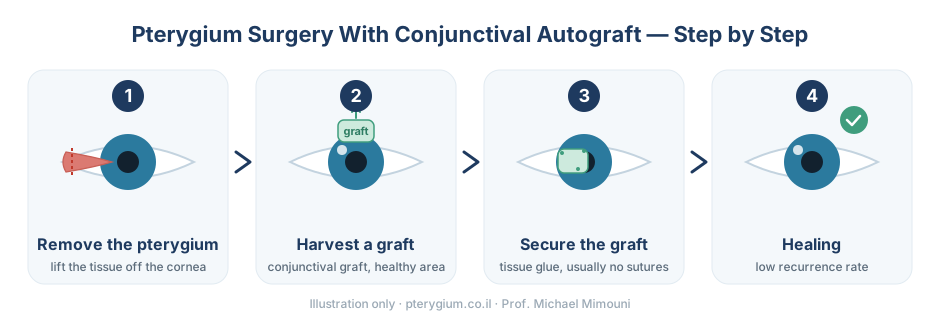
The current approach does not stop at excision. After the pterygium is removed, the exposed area is covered with a thin graft of healthy conjunctiva taken from the patient’s own eye, secured with tissue glue rather than sutures. Replacing the abnormal tissue with healthy tissue is a key factor in keeping recurrence low, and using glue instead of sutures reduces pain, inflammation and healing time.
In cases judged to be at higher risk of recurrence, additional measures such as mitomycin-C may be combined with surgery to discourage regrowth of the tissue. That decision is made individually, according to the characteristics of the pterygium and the patient’s situation.
What you can do after surgery
The part within the patient’s control matters just as much. Consistent sun protection with UV-filtering sunglasses, avoiding rubbing the eye, using drops exactly as prescribed, and staying away from dusty environments during recovery all support the result over time. Follow-up with the operating surgeon in the first months allows early signs of recurrence to be identified and treated early.
If the pterygium has come back
A recurrent pterygium can be operated on again, but it is a more complex procedure: scar tissue is present and the local anatomy differs from a first operation. In this situation, assessment by an experienced cornea surgeon is especially important — to select the appropriate technique, usually a conjunctival graft and sometimes with additional measures, and to explain realistic expectations.
Why surgical experience matters
Pterygium surgery is delicate, and its outcomes — above all the recurrence rate and the cosmetic result — depend substantially on technique and experience. Distinguishing a pterygium from other findings on the white of the eye, such as pinguecula, also matters for correct planning. For that reason, and particularly where a recurrent pterygium is concerned, it is worth consulting a surgeon who specialises in the cornea.
Frequently asked questions
Why does a pterygium come back after surgery?
What lowers the risk of a pterygium returning?
When does recurrence usually appear?
Can a recurrent pterygium be operated on again?
Does recurrence mean the surgery failed?
Have a question about pterygium? Want a specialist’s opinion?